
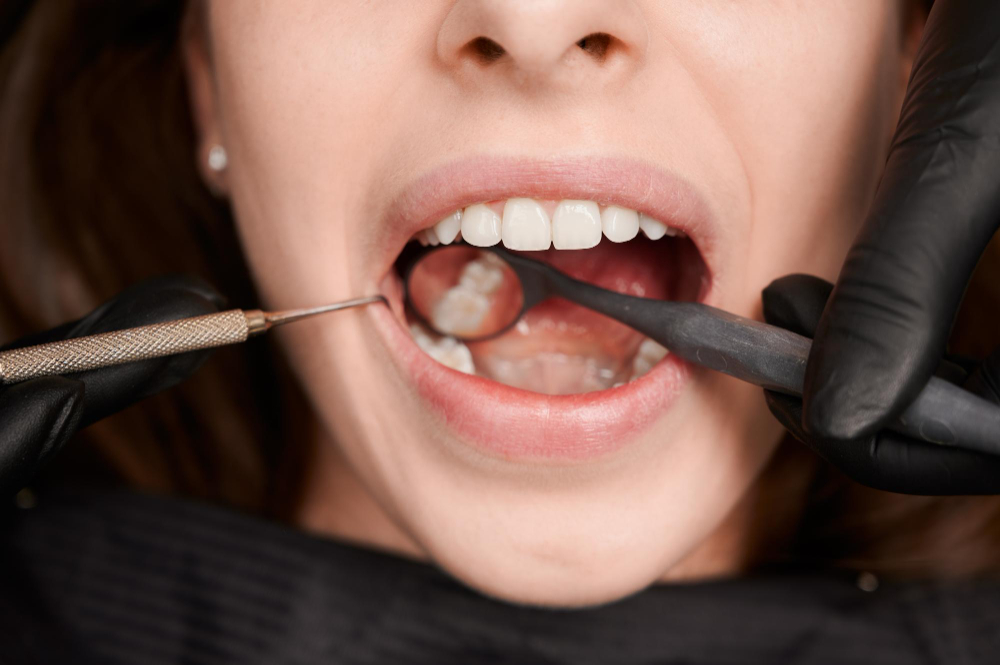
Dental sealants are a simple way to keep your teeth safe from cavities. Many people want to know how sealants can protect your teeth from cavities. Sealants are thin, protective coatings placed on the chewing surfaces of your back teeth. They help block out germs and food, which can cause tooth decay. Because of this, sealants are a smart choice for both kids and adults who want to prevent cavities.
What Are Dental Sealants?
Dental sealants are clear or white coatings made from a safe plastic material. Dentists apply them to the grooves and pits of your back teeth, also called molars and premolars. These areas are hard to clean with a toothbrush. As a result, food and germs can get stuck there. Sealants act as a shield, keeping out harmful bacteria and food particles. According to the Centers for Disease Control and Prevention (CDC), sealants can reduce the risk of cavities in molars by up to 80%.
How Do Sealants Prevent Cavities?
First, sealants cover the deep grooves on your teeth. Because of this, germs and food cannot settle in these spots. When these areas stay clean, your risk of getting cavities drops. In addition, sealants make brushing your teeth easier. Toothbrush bristles can glide over the smooth surface, removing more plaque. For example, children who get sealants are much less likely to develop cavities in their back teeth.
Who Should Consider Dental Sealants?
Anyone who wants to avoid cavities can benefit from sealants. However, some groups need them more:
Even though sealants are most common for kids, adults can get them too. If you are unsure, ask your dentist if sealants are right for you.
The Sealant Application Process
Getting sealants is quick and painless. Here is what you can expect:
Because the process is so simple, most people do not feel any discomfort.
Benefits and Effectiveness of Sealants
Sealants offer many benefits for cavity prevention. For instance, they:
According to the CDC, children without sealants have almost three times more cavities than those with sealants. Therefore, sealants are a proven way to keep your teeth healthy.
Are There Any Risks or Side Effects?
Sealants are very safe for most people. Side effects are rare. Sometimes, a person may have a mild allergy to the materials used. However, this is uncommon. If a sealant chips or falls off, your dentist can easily repair it. Overall, the benefits far outweigh any small risks.
How Long Do Sealants Last?
Sealants can last for several years. In fact, many last up to nine years with good care. However, they can wear down over time. Because of this, your dentist will check your sealants at regular visits. If needed, they can add more sealant to keep your teeth protected.
Tips for Maintaining Oral Health with Sealants
Even though sealants help prevent cavities, you still need to care for your teeth. Here are some tips:
By following these steps, you can keep your teeth strong and healthy for years.
In summary, dental sealants are a safe and effective way to protect your teeth from cavities. Consult your dentist to find out if dental sealants are right for you.
