
Introduction
Dental X-rays play a key role in preventive dentistry. They help dentists spot problems early, often before you feel pain or notice changes. Because preventive dental care is important for a healthy mouth, understanding how X-rays work can help you make better choices. In this blog, we will explain what dental X-rays are, why they matter, and how they keep your teeth healthy.
What Are Dental X-rays?
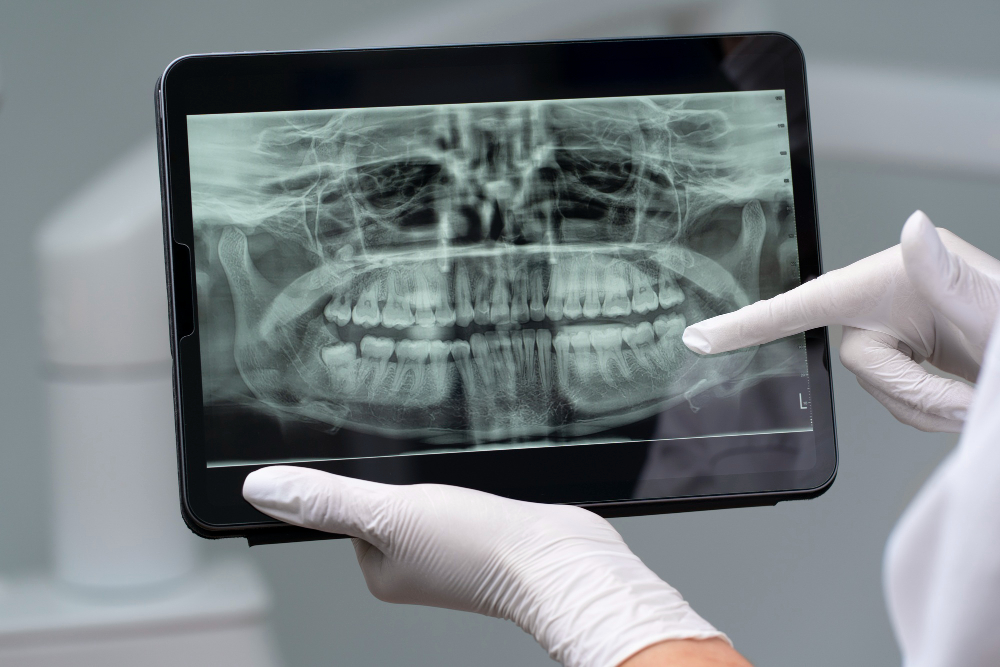
Dental X-rays are special pictures of your teeth and jaw. Dentists use them to see inside your mouth. While your eyes can only see the outside, X-rays show what is happening under the surface. For example, they can reveal hidden cavities, bone loss, or infections. X-rays use a small amount of radiation to create these images. However, the amount is very low and considered safe for most people.
Why Are X-rays Important in Preventive Dentistry?
First, X-rays help dentists find problems early. Early detection of dental issues means you can treat them before they get worse. For instance, a tiny cavity may not hurt yet, but an X-ray can spot it. As a result, you can fix it with a small filling instead of a bigger treatment later. In addition, X-rays help dentists plan the best care for your teeth. They also check if past treatments, like fillings or crowns, are still working well.
Types of Dental X-rays
There are different types of dental X-rays. Each type gives a unique view of your mouth. Here are the most common ones:
How X-rays Help Detect Dental Problems Early
Because X-rays show what is hidden, they are great for early detection of dental issues. For example, they can reveal:
With early detection, you can avoid pain and costly treatments. Moreover, regular X-rays help your dentist track changes over time. This way, they can act quickly if something new appears.
Safety and Risks of Dental X-rays
Many people worry about X-ray safety. However, dental X-rays use very low radiation. According to the American Dental Association and the CDC, the risk is very small. Even so, dentists take steps to keep you safe. For example, they use lead aprons and only take X-rays when needed. Pregnant women should tell their dentist, as extra care may be needed. Overall, the benefits of dental X-rays far outweigh the risks for most people.
How Often Should You Get Dental X-rays?
How often you need X-rays depends on your age, dental health, and risk of problems. For instance, children may need them more often because their teeth are still growing. Adults with healthy teeth may only need X-rays every few years. On the other hand, if you have a history of cavities or gum disease, your dentist may suggest more frequent X-rays. Always ask your dentist what is best for you. They will follow guidelines from trusted sources like the CDC and the American Dental Association.
Tips for Safe and Effective Dental Visits
To make your dental visits safer and more helpful, try these tips:
By following these tips, you can help your dentist give you the best care while keeping you safe.
Conclusion
In summary, dental X-rays are a key part of preventive dental care. They help find problems early, guide treatment, and keep your mouth healthy. Because dental X-ray safety is a top priority, dentists use the lowest dose possible. If you have questions, always talk to your dentist. Consult your dentist for personalized advice on dental X-rays and preventive care.
