
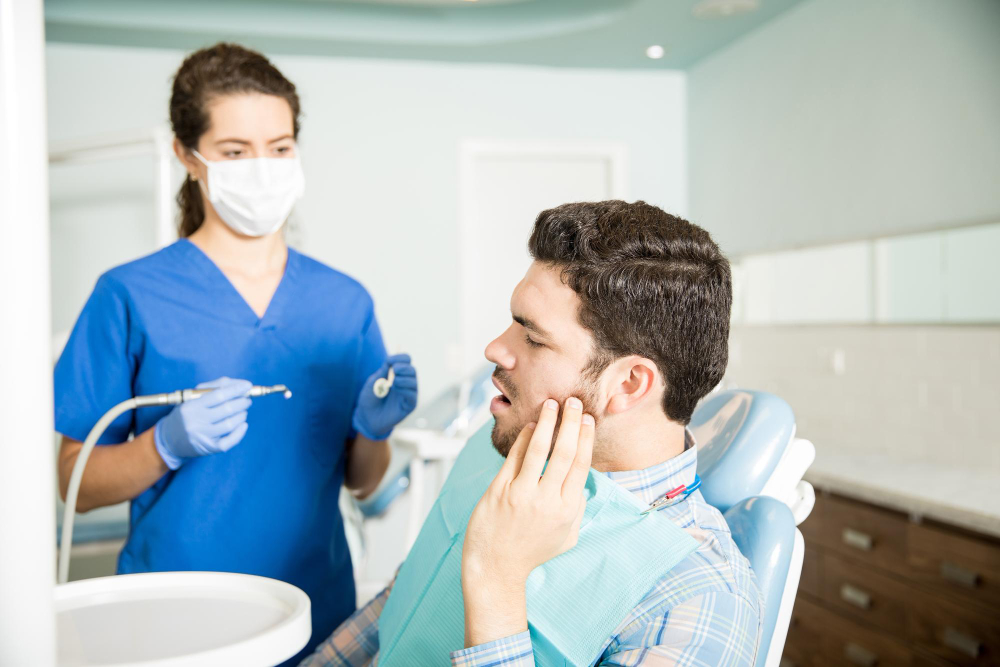
A dental emergency can happen at any time. It may involve sudden pain, a broken tooth, or bleeding in your mouth. Knowing what to do in a dental emergency can help you stay calm and protect your teeth. In this blog, you will learn key steps for emergency dental care, tooth injury first aid, and when to seek urgent dental treatment.
Common Types of Dental Emergencies
Dental emergencies can take many forms. Some are more serious than others. However, all need quick attention. Here are some common types:
Sometimes, even a small injury can become serious. For example, a cracked tooth may lead to infection if not treated.
Immediate Steps to Take in a Dental Emergency
Acting quickly can make a big difference. Here are steps you can take before you reach the dentist:
Always try to stay calm. Quick action can help save your tooth and prevent more damage.
When to Seek Professional Dental Care
Some dental emergencies need urgent dental treatment. You should see a dentist as soon as possible if you have:
In some cases, you may need to visit an emergency room. For example, if you have trouble breathing, swallowing, or heavy bleeding, seek help right away.
What to Avoid During a Dental Emergency
During a dental emergency, some actions can make things worse. Therefore, avoid these common mistakes:
Instead, follow first aid steps and contact your dentist for advice.
Prevention Tips for Dental Emergencies
While not all emergencies can be avoided, you can lower your risk. Here are some helpful tips:
By taking these steps, you can help keep your teeth and mouth healthy.
Frequently Asked Questions
What should I do if my child knocks out a tooth?
First, stay calm. Find the tooth and rinse it gently. Try to place it back in the socket. If you cannot, keep it in milk and see a dentist right away.
Can I wait to see a dentist if the pain goes away?
Even if pain stops, you should still see a dentist. Sometimes, the problem can get worse without treatment.
Is it safe to take pain medicine for a dental emergency?
Yes, you can take over-the-counter pain medicine as directed. However, do not put it directly on your gums or teeth.
How do I find emergency dental care near me?
Many dental offices offer urgent dental treatment. You can search online or call your regular dentist for help.
If you experience a dental emergency, consult a dentist promptly for personalized care.
