
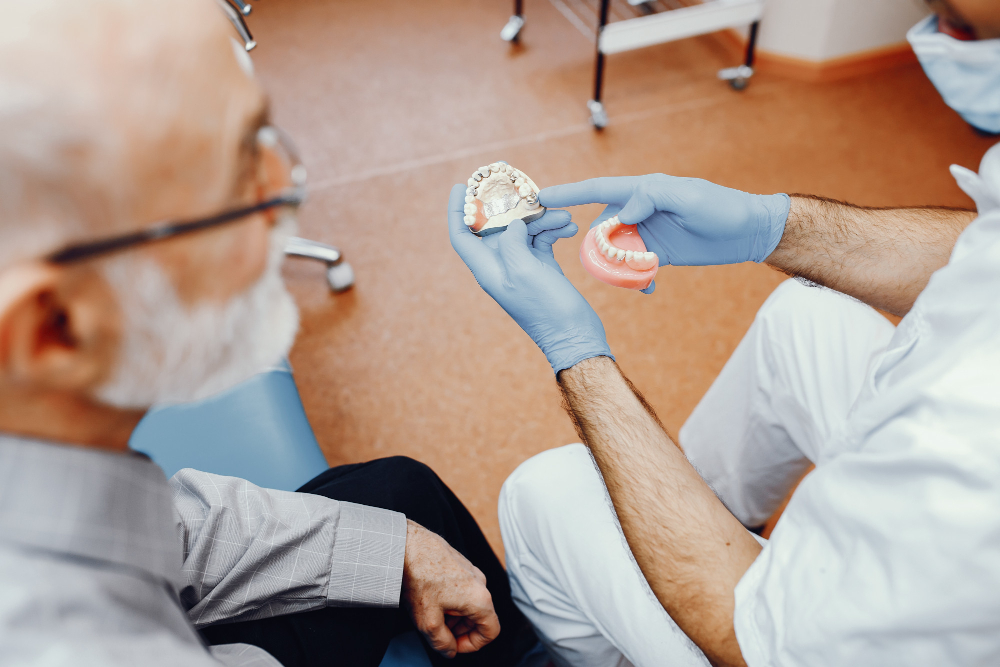
What Are Fixed Partial Dentures (FPD)?
Fixed Partial Dentures, also called dental bridges, are a common way to replace missing teeth. Unlike removable dentures, FPDs stay in your mouth and are attached to nearby teeth. Because they are fixed, you do not take them out at night. Many people choose FPD dental treatment for a natural look and feel. Dentists use strong materials, such as porcelain or metal, to make these bridges. As a result, FPDs can last for many years with proper care.
Common Symptoms and When FPD Is Needed
Sometimes, missing teeth can cause problems. For example, you may notice:
Therefore, if you have one or more missing teeth, you may need an FPD. Dentists often suggest FPDs when you want a fixed, long-lasting tooth replacement option.
Causes of Tooth Loss Leading to FPD
Many reasons can lead to tooth loss. Some common causes include:
Because missing teeth can affect your health, it is important to replace them. Fixed Partial Dentures are one of the best tooth replacement options available.
Diagnosis and Evaluation for FPD
First, your dentist will check your mouth and teeth. They may take X-rays to see the bone and roots. Next, the dentist will ask about your health and dental history. Sometimes, they will check if your gums and nearby teeth are strong enough to support an FPD. If you are a good candidate, your dentist will explain the FPD procedure and answer your questions.
Treatment Process: Getting an FPD
The FPD procedure usually takes a few visits. Here is what you can expect:
After the FPD is placed, your dentist will check your bite and make sure it feels comfortable. Most people adjust quickly to their new dental bridge.
Benefits and Risks of FPD
Fixed Partial Dentures offer many benefits, such as:
However, there are some risks to consider:
Still, most people find that the benefits of FPD dental treatment outweigh the risks. According to the American Dental Association, FPDs are safe and effective when placed by a trained dentist.
Care and Maintenance Tips
Good care helps your FPD last longer. Here are some simple tips:
Because proper care is key, always follow your dentist’s advice for cleaning your dental bridge.
Prevention: Protecting Your Teeth
Preventing tooth loss is important. You can protect your teeth by:
With these steps, you can lower your risk of needing tooth replacement options like FPD in the future.
Frequently Asked Questions about FPD
In summary, Fixed Partial Dentures are a safe and effective way to replace missing teeth. If you have questions or want to know if FPD dental treatment is right for you, consult a qualified dentist for personalized advice.
